Second Grade Squad Retro Svg Design Review
As a designer who spends more time staring at stitch density charts and fabric swatches than I care to admit, I approach every new digital asset with a healthy dose of skepticism. The market is flooded with generic clipart that looks beautiful on screen but falls apart under the needle. However, when I pulled Second Grade Squad Retro Svg Design into my workspace, I felt an immediate shift in the creative energy. It isn’t just another trendy graphic; it feels like a cohesive visual statement ready for real-world application.
This review isn’t about what the file looks like in a preview window. It’s about how this design behaves when you are preparing a custom embroidered tote bag for a local craft fair, stitching a personalized gift for a friend’s child, or building a brand identity for your small shop. I want to walk you through the practical realities of using this design, from the initial aesthetic impact to the technical considerations that separate a professional finished product from a amateur mistake.
The First Impression: Mood and Visual Personality
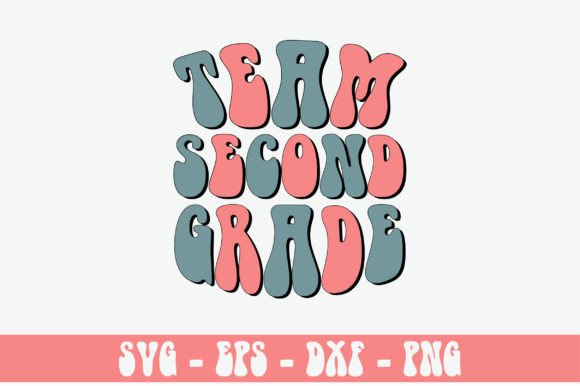
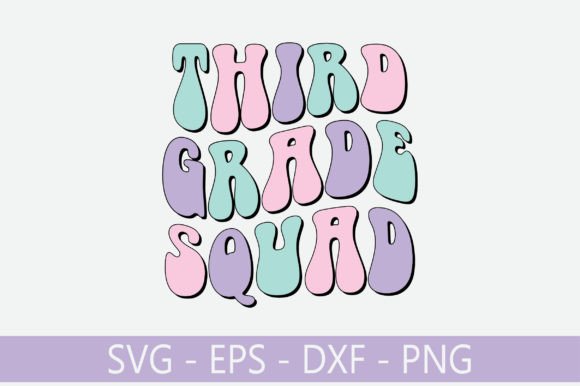
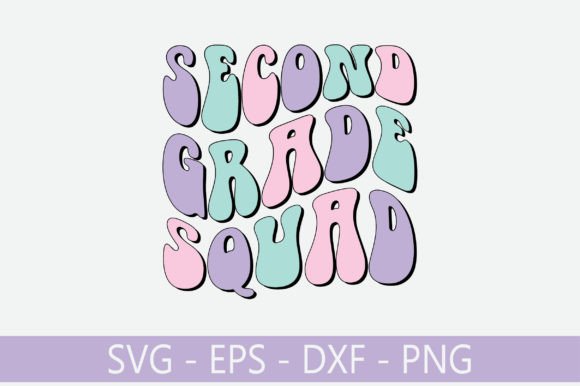
The moment you open the files included in this download—SVG, EPS, DXF, and PNG—you are greeted by a distinct retro vibe. The typography and layout suggest a nostalgic, playful energy that fits perfectly within the current trend of vintage-inspired graphics. For embroidery designers, this is crucial because the "mood" of the design dictates where it can live. This isn’t a minimalist, corporate logo; it’s bold, character-driven, and meant to stand out.
The visual personality of Second Grade Squad Retro Svg Design screams "community." It feels like something you would see on a band tee from the ’90s or a sticker on a laptop belonging to a creative student. This makes it incredibly versatile for specific niches. It naturally belongs on items that celebrate group identity, such as classroom sets, club merchandise, or family reunion gifts. The shape and detail level strike a balance between intricate enough to look premium and simple enough to stitch reliably without excessive hooping time.
Real-Life Application: Where This Design Shines
I’ve been thinking about how this design would perform in actual production scenarios. Let’s imagine you are an Etsy seller preparing a batch of holiday gifts. You decide to use Second Grade Squad Retro Svg Design on heavy cotton canvas tote bags. The contrast between the dark fabric and bright thread colors (assuming you choose a complementary palette) would make the retro elements pop. The design has enough visual weight to hold its own against the texture of the canvas, ensuring the message remains legible even after washing.
Consider also the possibility of using this as an embroidered patch for denim jackets or backpacks. The clean lines typical of vector-based assets like SVG and DXF translate well into applique designs or dense fill stitches, which are essential for patches that need durability. If you are a small business owner creating boutique branding, this design could serve as a focal point on sweatshirts or hoodies aimed at teachers, coaches, or team leaders. The "Squad" theme resonates deeply with groups looking for a sense of belonging, making it a high-value item for personalized products.
Furthermore, the versatility extends to home decor. Imagine this design stitched onto a linen tea towel or a pillow cover for a nursery or dorm room. The retro aesthetic adds warmth and personality to functional items, elevating them from basic household goods to curated handmade products. For crafters looking to expand their inventory, this design offers multiple entry points: apparel, accessories, and home accents all share the same core visual hook.
Technical Considerations and Potential Pitfalls
No design is perfect, and understanding the limitations is part of being a professional. While Second Grade Squad Retro Svg Design is strong, there are specific situations where you need to exercise caution. Embroidery is a subtractive process in some ways—you are removing the illusion of flatness to create texture, and fine details can get lost if not handled correctly.
If you plan to stitch this on stretchy fabrics like jersey knits, you must use proper stabilizer to prevent distortion. The design’s geometry relies on straight lines and clear curves; if the fabric stretches during stitching, those lines will warp, ruining the retro crispness. Similarly, on textured fabrics like waffle knit towels or thick fleece, very small details might disappear into the weave. In these cases, relying solely on satin stitch for tiny letters or thin borders may result in a muddy appearance. It is often better to simplify the digitization or choose a smoother fabric base.
Dense stitch areas are another consideration. If the design includes large blocks of fill stitch, ensure your machine can handle the tension without puckering the garment. For delicate items like baby clothes or lightweight summer tees, check the stitch count and density carefully. Excessive density can make a soft garment feel stiff and uncomfortable, which negatively impacts customer trust and satisfaction. Always test the design on scrap fabric first to evaluate how the threads interact with the specific material you intend to use.
Optimizing for Clarity and Value
To maximize the visual appeal and product value, pay close attention to thread color selection. The retro theme benefits from muted pastels or bold primary colors, depending on the desired effect. Avoid overly shiny metallic threads unless they are used sparingly as accents, as they can distract from the overall composition. When evaluating the design, inspect the small details in black and white mockups. This helps you identify any potential merging of elements that might occur when converted to stitches.
For commercial embroidery projects, clarity is king. Customers buy handmade products for their uniqueness and quality. A clean, well-executed stitch job reinforces brand consistency and professionalism. If the design looks sloppy or rushed, it undermines the perceived value of the item. By taking the time to confirm hoop size and adjust settings for your specific fabric, you ensure that the finished product reflects the high standards your buyers expect.
Practical Notes for the Embroidery Designer
Before committing to a full run of Second Grade Squad Retro Svg Design, follow these practical steps to safeguard your work:
- Test on Scrap Fabric: Never assume a design will work on your final material. Stitch it out on a similar fabric type to check for alignment, tension, and color contrast.
- Review Stitch Density: Ensure the design is not too dense for the fabric weight. Light fabrics require lighter stitching to avoid damage.
- Check Small Details: Zoom in on the original file. Are there any tiny text elements or thin lines that might break or merge during stitching?
- Confirm Licensing: Since this is a digital product, verify the license terms before selling finished items. Some licenses restrict commercial use or limit the number of units you can produce.
- Use Proper Stabilizer: Match your stabilizer to your fabric. Cut-away for stretchy materials; tear-away for stable woven fabrics.
- Compare Backgrounds: Test the design on both light and dark backgrounds to ensure readability and aesthetic appeal in various contexts.
In conclusion, Second Grade Squad Retro Svg Design is a robust, stylish option for designers looking to add a touch of nostalgia and community spirit to their projects. Whether you are creating custom apparel, embroidered patches, or personalized gifts, this design provides a strong foundation for engaging, high-quality handmade products. By approaching it with technical diligence and creative insight, you can transform a simple digital file into a cherished physical item that resonates with customers.