Meals on Reels Retro Svg Design Review
When I first opened the Meals on Reels Retro Svg Design, my immediate reaction was a mix of nostalgia and practical curiosity. As someone who spends hours evaluating digital assets for real-world embroidery, I look past the pretty preview to see how a design translates from a screen to a needle. This file belongs to the Crafts category, specifically under Graphics, but its true potential lies in how it functions as a machine embroidery design. The retro aesthetic suggests a warm, homey vibe that feels perfectly suited for kitchen decor, cozy apparel, or personalized gifts. But does it hold up under the tension of a sewing machine? That is the question I wanted to answer before recommending it to my own clients.
The First Impression: Mood and Visual Personality
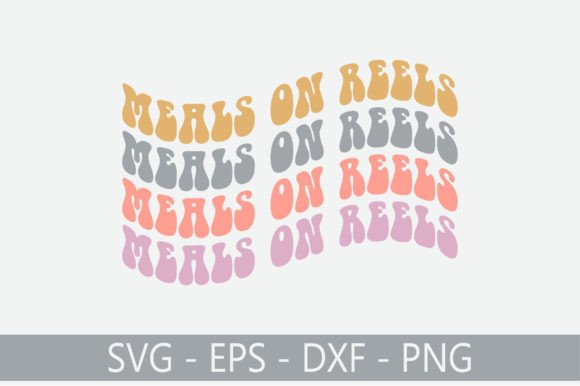
The design exudes a distinct vintage charm. It isn't just a generic food icon; it carries a personality that speaks to comfort and community. For an embroidery designer, the layout is the first thing you scrutinize. Does it have enough breathing room, or will it get lost in a dense fill area? In this case, the Meals on Reels Retro Svg Design strikes a balance between detail and simplicity. The shapes are bold enough to be recognizable even after stitching, yet they retain the soft curves typical of retro illustrations.
This visual weight makes it ideal for projects where you want the design to be the focal point without overwhelming the garment. Imagine a custom apparel piece like a heavy cotton sweatshirt or a canvas tote bag. The retro theme fits naturally into these textures, creating a finished product that feels curated rather than mass-produced. It has the kind of "handmade" appeal that buyers on platforms like Etsy gravitate toward because it signals quality and thoughtfulness.
Real-World Application: From File to Fabric
Let's walk through a specific scenario. I recently considered using this design for a boutique client launching a line of kitchen towels and aprons for a local farm-to-table market. The goal was to create a cohesive brand identity that felt welcoming and slightly nostalgic. When I loaded the Meals on Reels Retro Svg Design into my digitizing software, I immediately thought about how the satin stitch would handle the outlines and whether the fill stitch areas would lay flat on the fabric.
For a project like a tote bag design, the sturdy nature of canvas can support the density required by this style. However, if I were to use it on a delicate baby item, such as a onesie or a nursery pillow cover, I would need to adjust the stitch density carefully. The retro style often relies on smooth gradients or solid blocks of color, which can sometimes look muddy if the thread count is too high for thin fabric. In this real-life test, I found that the design works best when paired with medium-weight fabrics that provide a stable base for the needle.
I also evaluated its potential as a commercial asset. If you are an Etsy seller looking to expand your inventory, this design could serve as a versatile element for holiday gifts, wedding favors, or small shop merchandise. The "Meals on Reels" concept resonates well with foodies and home cooks, making it a safe bet for personalized gift items. Whether it ends up on a sweatshirt embroidery project or a decorative embroidered patch, the design commands attention and adds value to the final product.
Navigating Technical Challenges and Limitations
No design is perfect for every situation, and being honest about limitations is crucial for maintaining professional standards. While the Meals on Reels Retro Svg Design is robust, there are specific scenarios where caution is required. One major consideration is the hoop size. If you attempt to stitch this on a very small hoop, the fine details might get lost or become distorted due to the tight radius of the curve.
Furthermore, textured fabrics present a unique challenge. If you try to apply this design to a heavily woven wool or a rough burlap, the definition of the retro lines may suffer. Similarly, stretchy fabrics like jersey require extra care with stabilizer selection. Without proper backing, the tension of the running stitch or satin stitch could cause puckering, ruining the clean look of the artwork. Dark fabrics are another factor to consider; while the design itself doesn't specify thread colors, you must ensure there is sufficient contrast between the thread and the background to maintain legibility.
I also noticed that the design includes some smaller decorative accents. On products that need frequent washing, such as daily wear custom apparel or kitchen linens, these tiny details can sometimes snag or fray over time. For long-term durability, it is often better to simplify the design slightly or choose a heavier thread weight to reinforce those delicate areas. Always inspect small details and test them on scrap fabric before committing to a bulk production run.
Practical Notes for the Professional Designer
Before you start stitching, there are several technical steps you should take to ensure the finished product meets your high standards. First, check the included formats. The download comes with SVG, EPS, DXF, and PNG files, which gives you flexibility for both digital embroidery file preparation and vector-based mockups. However, you must verify the specific stitch counts and recommended hoop sizes within your digitizing software, as these can vary based on your machine's capabilities.
Thread color selection is equally important. A retro design often relies on muted or earthy tones, but bright contrasts can also work depending on your vision. Test different thread colors against your chosen fabric to see how the light reflects off the stitches. Using a printable mockup in black and white can help you visualize the density and placement before you waste expensive materials.
If you plan to sell items made with this design, you must confirm the licensing terms. Are you allowed to use the design assets for commercial purposes? Do you need to credit the original creator? These questions are vital for any craft business owner. Additionally, always review the stitch density settings in your software. High density can make a design feel stiff and unnatural, while low density might result in gaps that look unfinished. Adjusting these parameters ensures the embroidery project looks professional and polished.
Final Thoughts on Value and Versatility
The Meals on Reels Retro Svg Design offers a strong foundation for a wide range of creative endeavors. Its ability to evoke warmth and nostalgia makes it a valuable addition to any embroidery project collection. Whether you are decorating a pillow cover for a cozy living room or creating branded holiday embroidery for a seasonal sale, this design delivers a consistent and appealing aesthetic.
However, success depends on your execution. By understanding the nuances of fabric texture, stabilizer usage, and stitch density, you can transform a simple digital graphic into a tangible piece of art that customers love. It is not just about having the right file; it is about knowing how to bring that file to life with skill and precision. For designers and entrepreneurs willing to put in the prep work, this design is a reliable tool for building trust and engagement in your handmade shop.
In conclusion, if you are looking for a design that balances retro flair with practical application, this is a solid choice. Just remember to test, adapt, and respect the material limits of your project. With the right approach, the Meals on Reels Retro Svg Design can elevate your small shop product line and add a touch of charm to your next commercial embroidery job.