Hate Less Love More Retro SVG: A Designer's Review
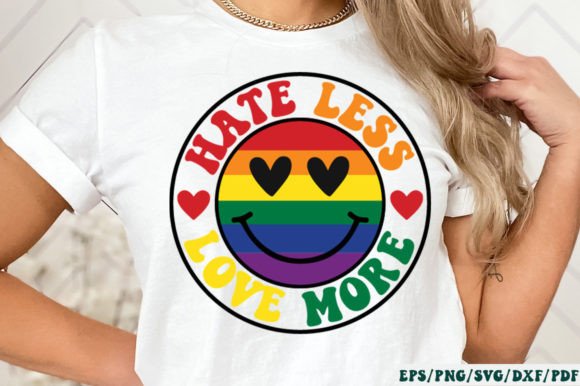
When I first opened the folder for Hate Less Love More Retro SVG, my immediate reaction was a nod of approval. As someone who has spent years evaluating digital assets for both personal passion projects and commercial client work, I know that the difference between a good design and a great one often lies in the details. This file isn't just another generic quote; it carries a specific mood that feels timely yet timeless. The retro aesthetic suggests warmth and nostalgia, while the message itself is a powerful statement of unity. It is the kind of graphic that doesn't just sit on a screen but begs to be stitched into fabric.
The download package includes SVG, DXF, PNG, EPS, and PDF formats, which is a solid foundation for versatility. For those of us working with Cricut Design Space, Silhouette Designer Edition, or Make the Cut MTC, having the vector files ready means we can scale the design without losing quality. But as an embroidery designer, my eyes are always on how these vectors translate into stitches. Does the layout hold up when converted from pixels to thread? Can the curves flow naturally on a curved surface like a cap or a tote bag?
First Impressions and Visual Personality
The visual personality of Hate Less Love More Retro SVG is distinct. It leans heavily into a vintage color palette and typography style that evokes the 70s or early 80s. This retro vibe makes it incredibly versatile for embroidery projects that aim for a boutique feel. When I look at the layout, I see clean lines and a balanced composition that avoids clutter. In the world of machine embroidery, less is often more, especially when dealing with small hoop sizes or intricate lettering.
The design feels right at home on a canvas tote bag or a soft cotton sweatshirt. The retro theme pairs beautifully with the tactile nature of thread, creating a finished product that feels handmade and authentic. It is not overly detailed in a way that would require excessive digitizing time, nor is it so simple that it looks cheap. It strikes that perfect balance where the stitch density can be managed effectively without creating a stiff, cardboard-like texture on the fabric.
Real-World Application: From Screen to Stitch
To truly understand the value of this asset, let's imagine a real-life scenario. I am preparing a custom order for a local boutique owner who wants a line of limited-edition pride merchandise. She needs something that speaks to inclusivity but also fits a cohesive brand identity. She orders a batch of unisex hoodies and asks me to create a central chest design.
I pull Hate Less Love More Retro SVG into my workflow. Because it is available in multiple formats, importing it into my embroidery software is seamless. I test the design on a scrap piece of heavy-weight fleece, mimicking the hoodie material. The result is promising. The curves of the letters flow well, and the retro font holds its shape even when reduced to fit within a standard 4x4 inch hoop. The customer loves the initial mockup because the design feels warm and inviting rather than aggressive or cold.
This same design could easily transition to other products. Imagine a set of matching aprons for a community kitchen, embroidered with the same motif. Or perhaps a series of baby onesies for a "Love More" themed nursery collection. The design works equally well as a standalone patch that can be ironed onto denim jackets or backpacks. Its adaptability makes it a valuable asset for any Etsy seller or small shop product line looking to expand their catalog without reinventing the wheel.
Where Caution is Key
While this design is strong, no single file is a magic bullet for every situation. There are specific scenarios where Hate Less Love More Retro SVG requires careful consideration. If you plan to use this on a small hoop size, such as a 3x3 inch area, you must review the stitch density closely. Tiny lettering or intricate corners can sometimes get lost in the stitching process if the design is too compressed.
Textured fabrics, like chunky knits or boucle wool, can obscure the definition of the retro font. Similarly, thin or stretchy fabrics, such as lightweight jersey or silk blends, may pucker if the stabilizer isn't chosen correctly. I always advise testing the design on dark fabric before committing to a full run, as the contrast between the thread and the background is crucial for readability. If the thread colors aren't vibrant enough against a black hoodie, the message might get lost.
Curved surfaces like caps present another challenge. While the design is scalable, the curvature of a hat can distort the perspective of the text if the digitization isn't adjusted for the curve. For commercial embroidery projects involving high-volume production, checking the stability of the design on the actual garment type is non-negotiable. You want to ensure that the finished product maintains its professional appearance after multiple washes.
Impact on Brand and Customer Trust
In the world of handmade goods, the quality of your embroidery directly impacts customer trust. A poorly executed design can make a handmade product look amateurish, while a well-stitched piece elevates the perceived value. Hate Less Love More Retro SVG supports a professional presentation because of its clear structure and legible typography. When customers see a crisp, well-defined logo or phrase, they are more likely to perceive the item as a premium gift or a durable accessory.
The emotional resonance of the message also plays a role in buyer engagement. People buy items that reflect their values. By offering a design that promotes love and unity with a stylish retro twist, you are tapping into a market that appreciates meaningful storytelling through fashion. Whether it is a holiday gift for a loved one or a statement piece for a pride parade, the design fosters a connection between the maker and the wearer.
Practical Notes for the Embroidery Designer
Before you start stitching, here are a few practical steps to ensure success. First, always test the design on scrap fabric. This allows you to gauge how the thread interacts with the specific fabric texture you are using. Check the thread color contrast; sometimes a light gray thread on a white shirt looks washed out, whereas a bright pastel pops beautifully.
Review the stitch density settings in your software. High density can lead to puckering, while low density might leave gaps in the fill. Confirm the hoop size you intend to use and adjust the design scaling accordingly. Inspect small details and decorative accents to ensure they won't break during the stitching process. Using proper stabilizer is critical; for stretchy fabrics, a cut-away stabilizer is usually best to prevent distortion over time.
If you are planning to sell finished items or digital products derived from this file, confirm the licensing terms provided by the creator. Understanding whether you have rights for commercial use is essential for protecting your craft business. Finally, compare light and dark fabric backgrounds in your mockups to visualize the final product accurately. This attention to detail ensures that your finished product meets the high standards expected by today's discerning buyers.
Ultimately, Hate Less Love More Retro SVG is a thoughtful addition to any designer's library. It offers a blend of style, sentiment, and practicality that works across a wide range of applications. From personalized gifts to boutique branding, this design has the potential to become a staple in your creative toolkit, helping you bring unique, meaningful visions to life.