Back That Thang Up Retro Svg Design Review
As a designer who spends more time than I care to admit staring at stitch charts and troubleshooting tension issues, I don’t just buy digital files—I vet them. When Back That Thang Up Retro Svg Design landed in my inbox, my first instinct wasn’t to open it immediately; it was to assess its commercial viability. We are all looking for that sweet spot: a design that is instantly recognizable, visually striking, but also technically sound enough to survive the rigors of production embroidery. This review isn’t about whether the file downloads correctly (it does, with standard formats like SVG, EPS, DXF, and PNG included); it’s about how this specific piece performs when translated from pixels into thread on actual fabric.
First Impressions and Visual Personality
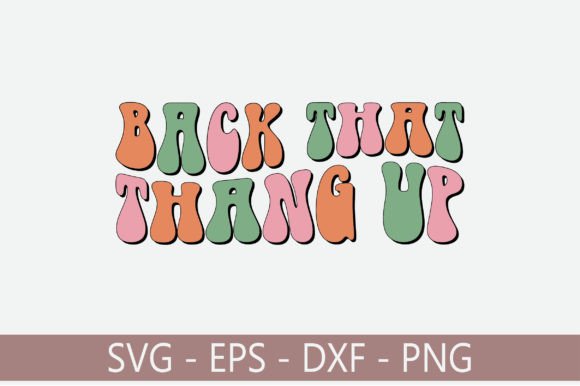
The moment you load the vector layers, the retro aesthetic hits you. The typography is bold, playful, and undeniably confident. In the world of handmade products, personality is currency. A generic floral pattern might sell, but a design with attitude stops the scroll. This design brings a nostalgic, 70s-inspired energy that feels fresh rather than dated. It creates an immediate mood of fun and celebration, which makes it incredibly versatile for social media marketing. When you create printable mockups for your Etsy listings or small shop product pages, this design naturally draws the eye. It doesn’t scream for attention through complexity; it commands it through strong, clear shapes and a vibrant thematic presence.
From a layout perspective, the balance is well-considered. The curves of the lettering suggest movement, which translates beautifully into embroidery because thread has natural flow. However, as any experienced embroiderer knows, what looks good on a screen can sometimes behave poorly under a needle. The initial visual appeal here is high, suggesting that the finished product will have a similar impact on the customer. It feels like a design meant to be worn proudly or displayed as a statement piece, fitting perfectly into categories like custom apparel, holiday gifts, or boutique branding.
Real-World Application: From Screen to Stitch
Let’s talk about where this design truly shines. I recently envisioned using Back That Thang Up Retro Svg Design for a batch of custom embroidered tote bags aimed at festival-goers. The boldness of the text works exceptionally well on canvas or cotton duck, materials that provide a sturdy foundation for the stitches. Because the design relies on strong outlines and distinct blocks of color, it holds up well even if the stitching density isn’t perfectly uniform—a common issue when working quickly during peak seasons.
Another strong use case is sweatshirt embroidery. The retro vibe pairs naturally with fleece or heavy cotton blends often found in hoodies and crewnecks. Imagine this design centered on the chest of a heather grey hoodie, stitched in contrasting bright threads. It becomes an instant conversation starter. For craft business owners, this kind of item has high perceived value. It’s not just a shirt; it’s a personalized gift that feels curated and thoughtful. Similarly, applying this to baby items requires a slight shift in tone, but the playful nature of the phrase can work well for nursery decor or milestone blankets, provided the thread colors are softened to suit a younger audience.
When considering commercial embroidery projects, such as embroidered patches or cap branding, the clean lines of the vector source material are crucial. The inclusion of DXF and SVG formats ensures that you can scale the design without losing integrity, allowing you to adapt it for smaller hoop sizes if necessary. Whether you are creating digital embroidery files for resale or producing physical goods, the versatility of this asset allows it to bridge the gap between hobbyist crafting and professional-grade output.
Technical Considerations and Potential Pitfalls
While the design is visually compelling, no machine embroidery design is without its challenges. The primary concern with any text-heavy retro design is legibility after stitching. If you attempt to place this on a curved surface, like the front panel of a baseball cap, the distortion can make the lettering difficult to read. The curves need to align perfectly with the hat’s curvature, or the text may appear warped in an unflattering way. For best results, stick to flat surfaces like tote bags, aprons, or pillow covers where the fabric remains taut and stable.
Another area requiring careful attention is stitch density. If the original file contains overly dense fill stitches, it could lead to puckering, especially on lighter fabrics or thin materials. Before committing to a large production run, always test the design on scrap fabric. Check the thread color contrast rigorously; dark backgrounds require light, vibrant threads to ensure the retro details pop, while light backgrounds demand deeper, richer hues to maintain definition. Inspect small details closely—sometimes, what looks like a solid line on a monitor can break apart into individual stitches that lose their cohesion if the hooping isn’t precise.
Furthermore, consider the end-user experience. Products featuring this design, such as kitchen towels or frequently washed apparel, need to withstand repeated laundering. Ensure you use proper stabilizer and secure all loose ends to prevent unraveling. If the design includes decorative accents or layered elements, verify that these components do not snag easily. A beautiful design that falls apart after three washes will damage your reputation as an Etsy seller or small business owner far more than a simple design ever would.
Strategic Advice for Makers and Sellers
To get the most out of Back That Thang Up Retro Svg Design, treat it as part of a broader creative strategy. Use black and white mockups to check the silhouette and composition before adding color. This helps you understand the structural strength of the design independent of thread choice. Compare how the design looks against both light and dark fabric backgrounds to determine which combination offers the highest visual impact.
For those selling digital assets, remember that providing multiple formats is key. The fact that this download includes SVG, EPS, DXF, and PNG means you can cater to a wider audience, from vinyl cutters to embroidery machine users. However, always confirm licensing terms before selling finished items or digital products. Understanding the scope of commercial use protects your business and ensures ethical practices within the creative community.
Ultimately, this design is a strong addition to any maker’s library. It balances nostalgia with modern appeal, offering a unique angle for custom apparel and personalized gifts. By paying attention to technical details like hoop size, stabilizer choice, and thread selection, you can transform this digital file into a tangible, high-quality finished product that customers love. It’s not just about having the right file; it’s about applying professional judgment to bring that file to life. With careful execution, Back That Thang Up Retro Svg Design can elevate your craft business, helping you stand out in a crowded market with confidence and style.